
PCOS: Supplement Cheat Sheet ✨
Woman 2 Woman: Take control of your hormones!
My supplements, my story, and why understanding your body changes everything.
I turned 35 this year, but for the last two years I've been in a funk — more tired than usual, brain fog, hormonal issues like irregular periods. I thought I could "discipline" myself out of it. Wake up earlier. Eat healthier. Work out more. All the things that worked seamlessly in my 20s. But nothing seemed to help.
Finally, I took a step back and acknowledged that things were off in my body — and had been for a while. I just spent my 20s powering through.
My Story
I can't pinpoint exactly when I started my period — I believe it was around 8th grade. The problem is, it was never regular. It would come every few months and was extremely light. Personally, I thought it was a blessing in disguise. I started birth control at 18 and stayed on for the next eight years, almost completely eliminating them.
After getting off birth control and still not having a regular period, I brought it up to a doctor — and she told me that as long as I was ovulating, I was fine. I was still very confused, but I didn't have the tools to be more inquisitive at the time.
Fast forward to around 30, I started having other issues that I would soon learn were all connected:
Persistent fatigue
Unexplained weight gain
Brain fog
Excessive facial hair
Mood changes
Low libido
With careful reflection, conversations with friends, and a review of my family history, I came to the conclusion that these factors ultimately pointed to PCOS.
So, What Is PCOS?
Polycystic ovary syndrome (PCOS) is a hormonal imbalance that occurs when your ovaries produce excess hormones. If you have PCOS, your ovaries produce unusually high levels of androgens, causing your reproductive hormones to become imbalanced. As a result, people with PCOS often have irregular menstrual cycles, missed periods, and unpredictable ovulation.
Key symptoms include acne, weight gain, excessive hair growth (hirsutism), hair thinning, and infertility. While there is no cure, lifestyle changes, medication, and hormonal management can treat symptoms and prevent complications like diabetes.
If you're dealing with PCOS or hormonal imbalance — know this: your body is not the problem. It just needs the right kind of support.
My PCOS Supplement Stack
A note before we dive in: I'm sharing my personal experience with PCOS and what has worked for my body — not providing medical advice. PCOS presents differently in every woman. Always work with a doctor or functional medicine provider to understand your specific hormone panel and health needs before starting any supplement routine.
I’ve also found this Facebook group extremely helpful.
🌸 Myo-Inositol
Category: Insulin sensitivity · Hormones · Mood
What it does: Myo-inositol is a form of Vitamin B8 that directly supports insulin signaling and ovarian function. It's one of the most studied natural interventions for PCOS specifically.
Why I take it: Insulin resistance is at the root of most PCOS symptoms — and myo-inositol helps address that directly. It supports more regular ovulation, reduces androgen levels, improves egg quality, and eases anxiety. This is the cornerstone of my PCOS supplement routine and it regulated my cycle immediately. If you only add one thing, make it this.
🌿 Maca Root
Category: Hormones · Energy · Mood
What it does: An adaptogenic root that works with your endocrine system to help balance hormones naturally — without adding or blocking them directly.
Why I take it: With PCOS, your hormonal landscape is already volatile. Maca helps stabilize it — supporting estrogen balance, reducing PMS severity, improving energy, and boosting a libido that PCOS often quietly steals. It's a gentle but effective piece of the puzzle. (Please note, may cause pregnancy)
🌱 Berberine
Category: Insulin sensitivity · Hormones · Inflammation
What it does: A plant compound that activates an enzyme called AMPK — essentially your body's metabolic master switch. It's often compared to metformin in its effects on blood sugar.
Why I take it: Berberine is one of the most powerful natural tools for insulin resistance, which underlies so much of PCOS. It helps regulate blood sugar, supports weight management, lowers androgen levels, and reduces inflammation. This one is a game-changer for PCOS specifically — and it's one I wish I'd known about sooner.
☀️ Vitamin D3
Category: Hormones · Immunity · Bone health
What it does: The active form of Vitamin D that supports immune function, hormone production, calcium absorption, and mood regulation. Research consistently shows that women with PCOS have significantly lower Vitamin D levels than average.
Why I take it: Low Vitamin D worsens insulin resistance and hormonal imbalance — two things PCOS already makes harder. Getting my levels up helped with mood, energy, and cycle regularity. Always check your levels first; most women are surprised by how deficient they are.
🌙 Ashwagandha
Category: Cortisol · Mood · Energy
What it does: An ancient Ayurvedic adaptogen clinically proven to lower cortisol — the primary stress hormone that, when chronically elevated, throws off every other hormone in your body.
Why I take it: Stress and PCOS have a complicated relationship. High cortisol worsens insulin resistance, spikes androgens, and disrupts the HPA axis that governs your entire hormone cascade. Ashwagandha helps break that cycle. It also supports better sleep and lower anxiety — both of which matter deeply when managing PCOS.
✨ Magnesium
Category: Insulin sensitivity · Mood · Hormones
What it does: A mineral involved in over 300 enzymatic functions — including blood sugar regulation, cortisol response, and nerve function. Most women with PCOS are magnesium deficient.
Why I take it: Magnesium directly improves insulin sensitivity, reduces PMS symptoms, supports deeper sleep, and calms the nervous system. I take magnesium glycinate specifically because it's the most absorbable form and gentlest on digestion. The sleep improvement alone was worth it.
🐟 Omega-3 (Fish Oil, Chia Seeds, Sardines)
Category: Inflammation · Hormones · Mood
What it does: Essential fatty acids (EPA and DHA) that reduce systemic inflammation, support brain function, and help regulate hormonal pathways.
Why I take it: PCOS is fundamentally an inflammatory condition. Omega-3s help lower the chronic low-grade inflammation that fuels symptoms like weight gain, acne, and mood instability. They also support healthy triglyceride levels — important because women with PCOS are at higher risk for cardiovascular issues. This is a non-negotiable for me.
🛡 Zinc
Category: Androgen balance · Immunity · Hormones
What it does: A trace mineral that plays a direct role in hormone production, immune function, and skin health. For PCOS, zinc has a specific anti-androgenic effect — it helps block excess DHT, the androgen responsible for facial hair and hair thinning.
Why I take it: Hirsutism was one of my most distressing PCOS symptoms. Zinc supports insulin sensitivity and immune resilience — making it a triple win for anyone with PCOS.
🌿 Spearmint Tea
Category: Anti-androgenic · Hormones
What it does: Spearmint has natural anti-androgenic properties — clinical studies show it can meaningfully reduce free testosterone levels in women with PCOS when consumed regularly.
Why I take it: Excess androgens are the root cause of facial hair, acne, and hair thinning in PCOS. Spearmint tea is one of the gentlest and most accessible ways to address that — no prescription needed. I drink two cups a day and have noticed real changes over time. It's also deeply calming, which is its own kind of medicine.
🍵 Green Tea
Category: Insulin sensitivity · Inflammation · Energy
What it does: Rich in EGCG (epigallocatechin gallate), a potent antioxidant that improves insulin sensitivity, supports metabolism, and reduces inflammation.
Why I take it: Green tea supports blood sugar regulation and metabolism — two things PCOS consistently disrupts. It's also a gentler caffeine source than coffee, which matters because caffeine can spike cortisol. Paired with its anti-inflammatory benefits, green tea earns its place in a PCOS routine as both a supplement and a ritual.
🍃 Raspberry Leaf Tea
Category: Uterine health · Inflammation
What it does: Red raspberry leaf is a uterine tonic rich in fragarine — a compound that helps tone and strengthen the uterine muscles. It also contains antioxidants that reduce inflammation and support hormonal balance.
Why I take it: For women with PCOS who deal with irregular or painful periods, raspberry leaf tea can help regulate and ease the cycle over time. I think of it as nourishment for the reproductive system specifically. It's a quieter supplement than the others on this list, but one that works gently and consistently.
Managing PCOS is not about fixing something broken. It's about learning the language your body has been speaking all along — and finally choosing to listen.
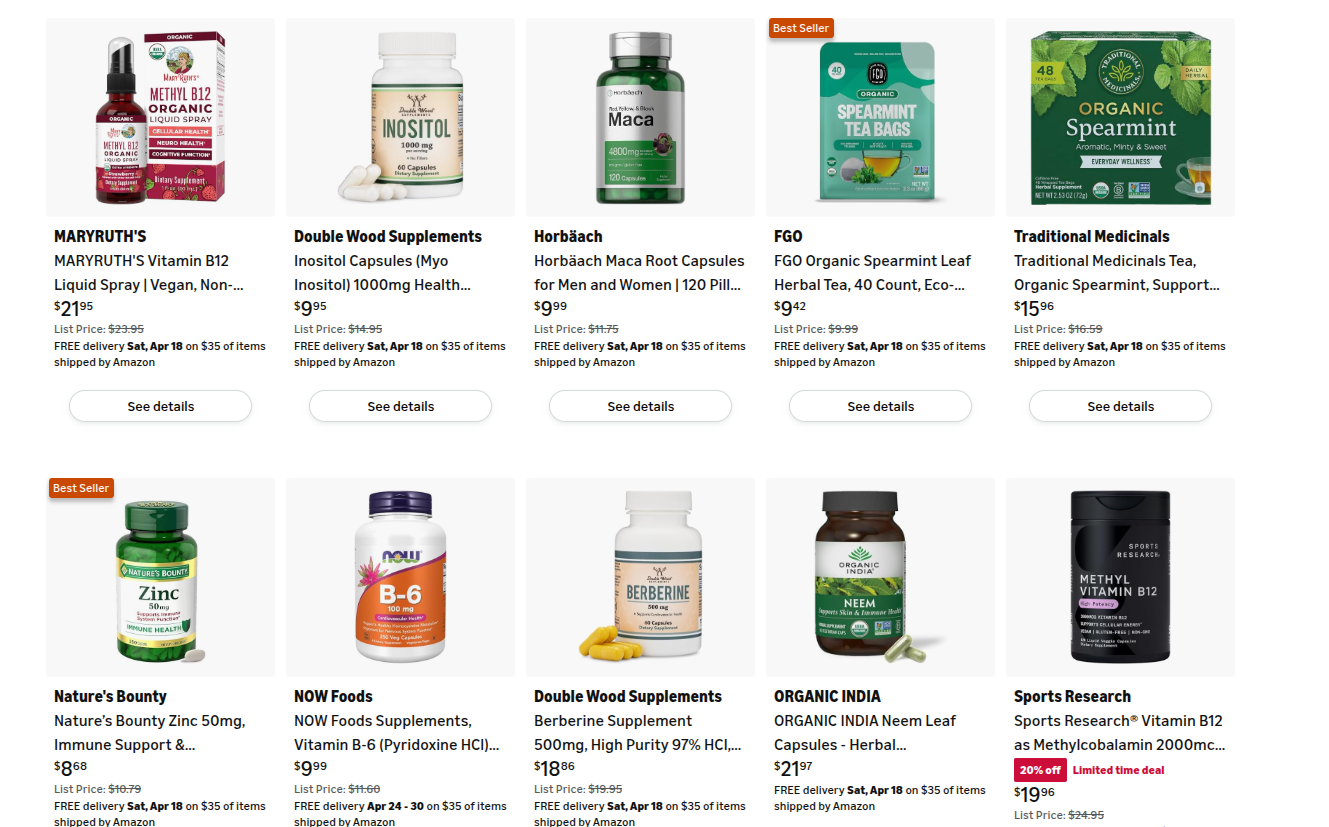
You can grab all of the supplements mentioned here on Amazon.
This post is for informational purposes only and does not constitute medical advice. PCOS presents differently in every woman. Always consult with a qualified healthcare provider before starting any new supplement routine.
About the Author
Tyler Denae is a Lover of Christ, wife, bonus mom, and content creator on a mission to take the heavy lifting out of being a woman.
Women to Women: Womanhood Reimagined is her corner of the internet where faith gets deeper, mindsets get stronger, and women build lives they are completely in love with — at any age, in any season, together.